See How a Professional Landscaper Changes Your Outdoor Space Into a Beautiful Haven
A professional landscaper approaches each project with a deep insight of the client's vision and outdoor needs. By meticulous examination and skillful flora choices, they create a cohesive space that improves both beauty and functionality. By incorporating eco-friendly methods and modern structural elements, they guarantee the landscape is visually attractive but also practical to care for. This expertise can greatly alter the way one engages with their outdoor space, inviting curiosity about the opportunities available.
Grasping Your Concept: First Meeting With a Landscape Professional
How can someone clearly communicate their dreams for their exterior area? The initial consultation with a landscaper acts as an essential part in this process. During this meeting, the homeowner articulates their vision, preferences, and lifestyle needs, establishing a foundation for the project. It is important for the homeowner to share concepts concisely, perhaps using images, sketches, or descriptions of desired elements like plants, pathways, and seating areas.
A good landscaper pays close attention and poses detailed inquiries to understand the client's goals. This exchange bridges the gap in goals and guarantees that the final design resonates with the client's style. In addition, discussing budget constraints and maintenance considerations up front can guide the landscaper in creating a feasible plan. Ultimately, this initial consultation transforms abstract dreams into a concrete plan, setting the stage for a integrated and pleasing outdoor space.
Location Evaluation: Examining Your Property
A detailed property assessment is crucial for successful design, focusing on soil quality and sunlight exposure - Navarre Landscaper. Assessing the soil condition helps determine suitable plants and necessary amendments, while studying sun exposure guides positioning and design choices. These elements combined, create a foundation for a successful outdoor space
Ground Condition Check
While many homeowners may prioritize visual appeal when planning their outdoor spaces, the basis of any effective landscaping project begins with a thorough evaluation of soil quality. A professional landscaper understands that healthy soil is essential for plant growth and overall landscape health. This evaluation involves testing for pH levels, nutrient content, and soil texture, which influence water retention and drainage. By identifying deficiencies or imbalances, landscapers can recommend amendments such as compost or fertilizers to enhance soil health. Additionally, understanding the soil’s composition helps in selecting appropriate plants that will thrive in the given conditions. Ultimately, a proper soil quality evaluation lays the groundwork for a vibrant, sustainable outdoor environment that meets the homeowner's vision.
Sunlight Exposure Assessment
Following a thorough soil quality evaluation, the next significant aspect of landscaping is evaluating sunlight exposure. This assessment involves observing how sunlight interacts with various areas of the outdoor space throughout the day. A professional landscaper will identify sunlit and shaded zones, noting the duration and intensity of sunlight each area receives. This information is essential for selecting appropriate plants that thrive in specific light conditions. For instance, sun-loving plants require full exposure, while shade-tolerant varieties flourish in less light. By understanding the sunlight patterns, the landscaper can strategically position plants, optimize growth, and enhance the aesthetic appeal of the landscape. Ultimately, this careful evaluation guarantees that the outdoor environment becomes a vibrant and harmonious oasis.
Plant Selection: Choosing the Right Flora for Your Environment
Selecting the right plants for an outdoor space requires careful consideration of the local environment and climate conditions. A professional landscaper assesses factors such as soil type, moisture levels, and temperature extremes to determine which flora will thrive. Native plants are often favored, as they are adapted to the local ecosystem and require less maintenance.
Additionally, the landscaper considers the amount of sunlight available in different areas of the yard, ensuring that shade-tolerant plants are chosen for dimly lit spots while sun-loving species are selected for brighter locations.
Color, texture, and seasonal interest are also important in creating a visually appealing landscape. By thoughtfully combining various plants, the landscaper can create a harmonious balance that enhances the outdoor space. Fundamentally, selecting the correct flora not only beautifies the environment but also helps indigenous animals and fosters environmental well-being.
Structural Components: Footpaths, Terraces, and Retaining Walls
Creating a cohesive outdoor space involves more than just choosing flora but also blending in hardscape components including footpaths, outdoor floors, and erosion barriers. These structures provide essential functionality and simultaneously improve the visual charm of the landscape. Pathways serve as defined routes through gardens, leading people and minimizing pedestrian impact on delicate soil. A range of materials, including brick, stone, or gravel, are available to enhance the adjacent vegetation.
Outdoor floors bring the interior outside, creating room for entertaining and leisure. Their design can range from modest to grand, fitting various tastes and needs. Retaining walls, conversely, are essential for managing elevation changes, preventing soil erosion, and developing stepped areas. They can also serve as ornamental elements, incorporating natural stone or patterned concrete. Collectively, these structural features lay the groundwork for a beautiful and functional outdoor oasis.
Creating Functional Spaces: Outdoor Living Areas and Relaxation Zones
Developing usable yards demands meticulous design for social zones and relaxation zones that boost the utility of a yard. Careful planning choices are able to turn a simple yard into a lively space for socializing or a peaceful haven for individual thought. By combining these zones, residents are able to discussion achieve a perfect equilibrium between socializing and quiet time in their exterior settings.
Planning Usable Outdoor Zones

While transforming an outdoor space into a practical social zone might appear challenging, it presents a special occasion to boost visual appeal and function. A skilled contractor knows the necessity of setting boundaries which suit different functions, including hosting meals, gathering, or appreciating nature. These experts frequently suggest adding elements such as terraces, platforms, or overhead structures to define appealing zones for gatherings. Utilizing durable and weather-resistant materials promises permanence and preserving the aesthetic quality. Furthermore, incorporating landscape features, such as native plants and decorative stones, smoothly connects the recreational zone with the surrounding environment. Careful planning encourages a seamless flow between indoor and outdoor spaces, thereby improving the owner's way of living and increasing the property's worth.
Designing Tranquility Zones
How can homeowners transform their yards into peaceful havens for unwinding? Through the careful inclusion of components that encourage calmness and relaxation, professional landscapers create inviting retreats. A good step is to install cozy places to sit decorated with gentle padding, to facilitate repose. Moreover, incorporating water features, like small pools or running water, brings in calming noises that heightens the mood. Strategically located sun protection, such as awnings or large parasols, offer protection from direct sunlight, simultaneously, dense planting contributes to seclusion and peace. Trails marked with sweet-smelling vegetation guide visitors to specific rest areas, encouraging residents to relax even more. Illumination is also crucial; gentle, atmospheric illumination makes nighttime enjoyment possible. Ultimately, these features coalesce to form balanced exterior areas which encourage rest.
Eco-Conscious Techniques: Sustainable Landscaping Approaches
Sustainable practices in landscaping do more than just improve the look of outdoor spaces while simultaneously benefiting the condition of the environment. Expert designers adopt green approaches that emphasize saving water and protecting varied life forms - Navarre Landscaper. This involves planting indigenous flora that are low-water users and are hardier against native threats. Installing specialized water collection beds assists in controlling excess rainwater, minimizing soil loss and facilitating the refilling of aquifers
Additionally, organic fertilizers and pest control methods reduce the need for synthetic substances, leading to a more robust environment. The incorporation of permeable paving materials facilitates increased soaking of water, reducing surface runoff. Applying mulch not only retains water in the soil while simultaneously inhibiting weeds, lessening the need for maintenance
Maintenance Plans: Ensuring Your Oasis Thrives Year-Round
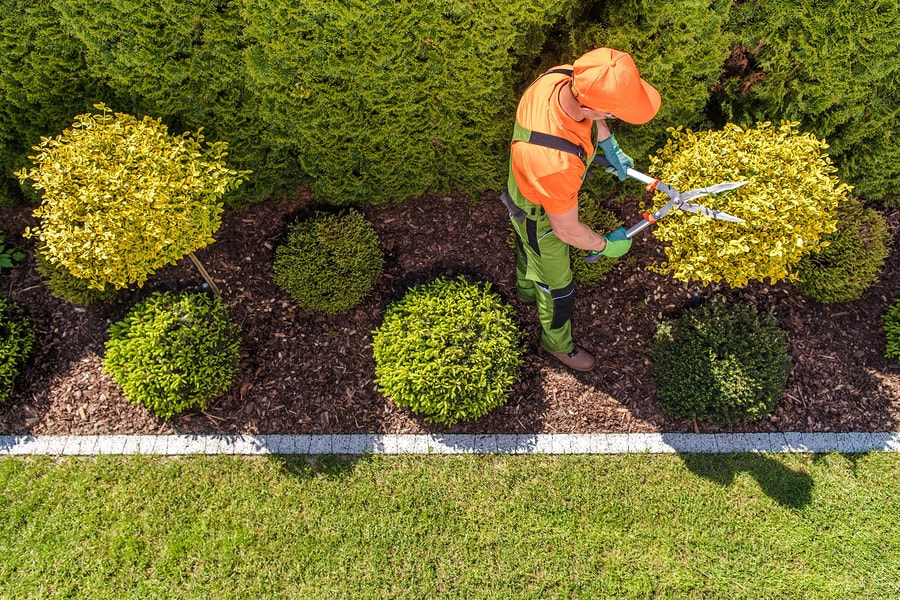
So that an exterior haven thrives year-round, a well-structured maintenance plan is necessary. Trained gardeners call for periodic servicing to preserve the appeal and well-being of the plants. This includes periodic chores such as fertilizing, mulching, and pruning, which improve vegetation growth and deter sickness.
Additionally, irrigation systems need to be tracked and modified based on local precipitation, guaranteeing plants get enough water without unnecessary water loss. Bug prevention tactics need to be executed to shield the plants from infestations.
Moreover, the plan should include routine checks of hardscapes, including decks and paths, to maintain functionality and beauty. Through implementing a comprehensive care plan, homeowners can enjoy a vibrant outdoor space throughout the year, ensuring their oasis remains a serene retreat and a showcase of expert landscaping skill.
Questions and Answers
How Long Does the Landscaping Transformation Process Typically Take?
The process of transforming the landscape usually requires anywhere from a few days to several weeks, contingent upon the intricacy, scope, and unique needs. All projects are one-of-a-kind, determining the length of the transformation.
How Much Should I Budget for Landscaping Services?
A usual budget for landscaping can range from $1,000 to $10,000 or more, depending on the project's complexity, scope, and supplies. Homeowners should obtain multiple quotes to ensure they get the most worth for their investment.
Should I Consider the Time of Year for Landscaping?
Absolutely, the time of year heavily influences landscaping projects. Planting is perfect during spring and fall, while summer may require maintenance adjustments. Winter can restrict certain tasks, emphasizing the importance of timing in achieving successful landscaping outcomes.
Am I Able to DIY Parts of the Landscape After Experts Finish the Job?
Absolutely, homeowners are able to handle some landscaping elements once the professionals are done. This strategy permits personal touches, such as introducing floral elements or incorporating decorations, enhancing the beauty of the space while keeping in place professional groundwork.
How Often Is it Necessary to Change My Landscape Plan?
Updating landscaping design every three to five years is recommended to maintain aesthetics and adapt to changing needs. Seasonal adjustments can also enhance appeal, making sure the exterior area stays lively and aligned with personal preferences.